



IMPORTANT! |
|
|
-
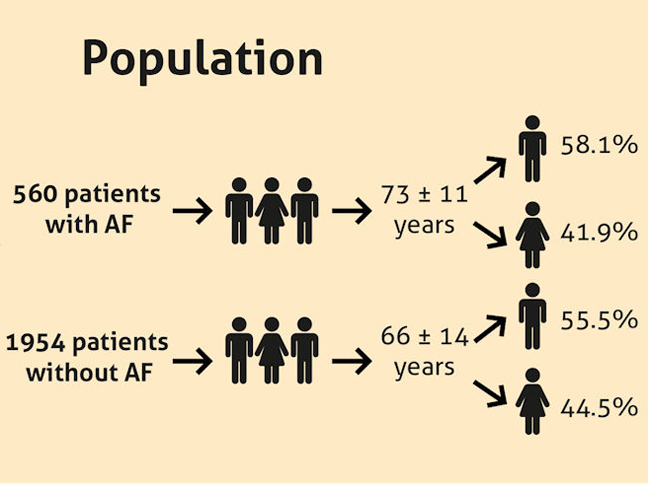 Characteristics and Outcomes of Atrial Fibrillation in Chronic Heart Failure Patients
Heart failure and atrial fibrillation represent conditions that commonly coexist. The impact of AF in HF has yet to be well studied in Latin America. This study aimed to characterize the sociodemographic and clinical features, along with patients outcomes with AF and HF from the Colombian Heart Failure Registry.
Read More >> 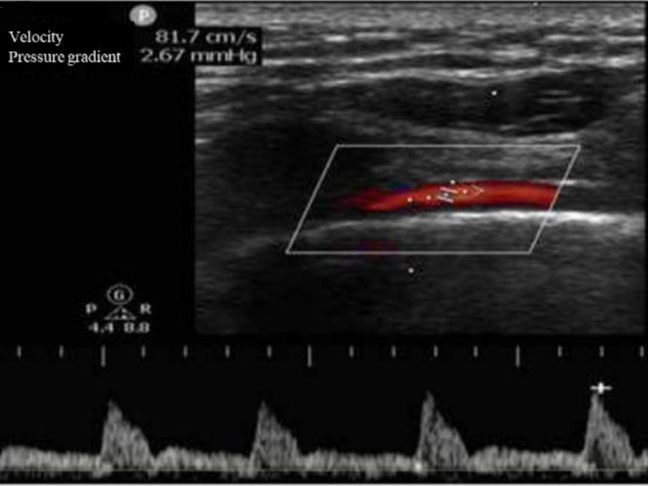 The Value of Left Internal Mammary Artery Flow Velocity in Predicting the Prognosis of Patients After Coronary Artery Bypass Grafting
The purpose of this study was to explore the value of the left internal mammary artery flow velocity (LIMAV) measured by ultrasound before coronary artery bypass grafting (CABG) in predicting the prognosis of patients after left internal mammary artery (LIMA) bypass grafting.
Read More >>-
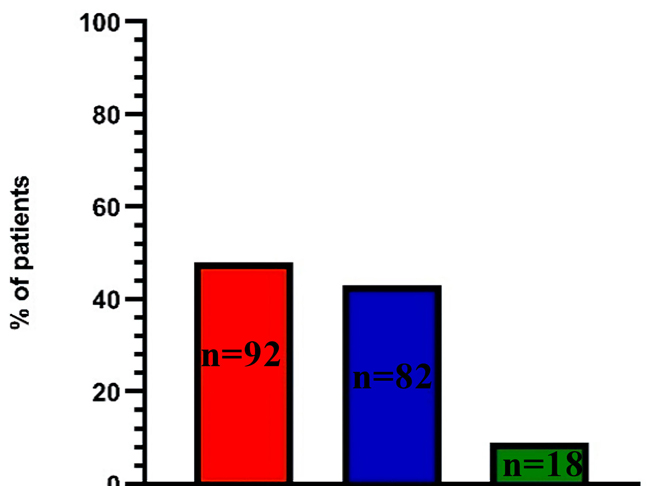 Obstructive Sleep Apnea as a Predictor of Inducible Atrial Flutter During Pulmonary Vein Isolation in Patients With Atrial Fibrillation: Clinical Significance and Follow-Up Outcomes
Atrial fibrillation (AF) and atrial flutter (AFL) often coexist in patients and may lead to severe symptoms and complications. Despite their coexistence, prophylactic cavotricuspid isthmus (CTI) ablation has failed to reduce the incidence of recurrent AF or new onset AFL.
Read More >> -
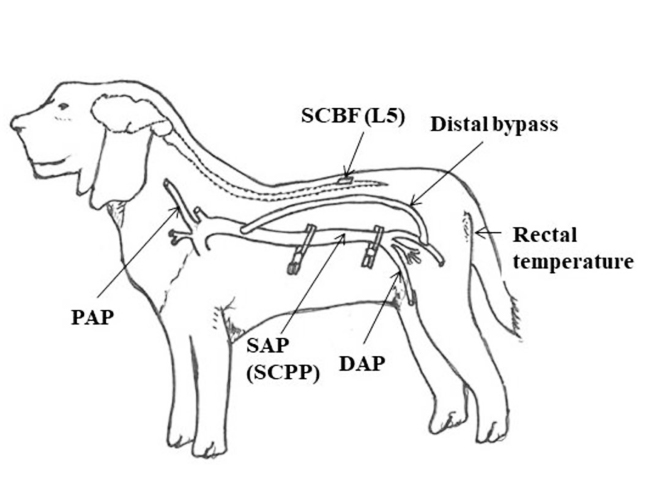 Mechanism of Increased Spinal Cord Blood Flow due to Noradrenaline Administration Using Vascular Resistance: An Experimental Study Using a Canine Model
This study examined the mechanisms by which noradrenaline administration increases spinal cord blood flow (SCBF) by elevating systemic blood pressure.
Read More >> -
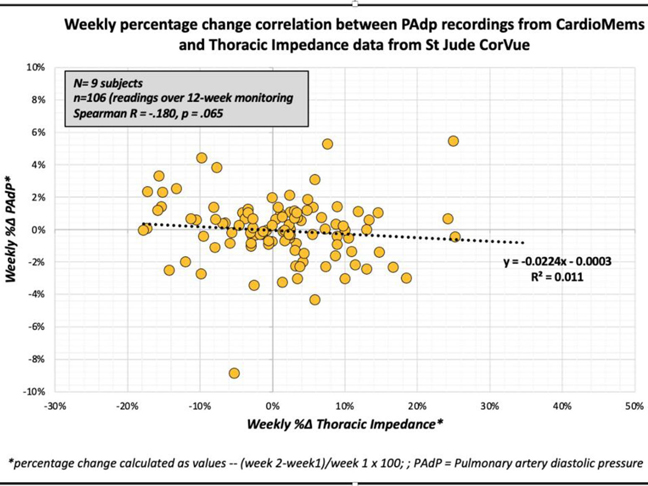 Assessing Correlation Between Thoracic Impedance and Remotely Monitored Pulmonary Artery Pressure in Chronic Systolic Heart Failure
Heart failure (HF) readmission continues to be a major health problem. Monitoring pulmonary artery pressure (PAP) and thoracic impedance (TI) are the two modalities utilized for early identification of decompensation in HF patients.
Read More >>
Viewpoints | Video Report | |||
According to the World Health Organization (WHO), the prevalence of type 2 diabetes mellitus (T2DM) and obesity has increased globally over the past 50 years, affecting over 500 million adults worldwide in 2023. A novel class of drugs known as glucagon-like peptide-1 (GLP-1) receptor agonists have emerged as a beacon of hope in treating the pandemic of diabetes and obesity. Full Text | Alexander T. Phan et al. Full Text | |||
|
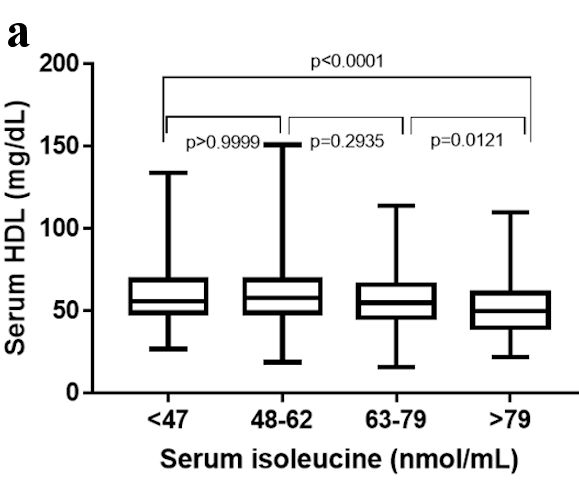 Preliminary Study on the Association of Serum Branched-Chain Amino Acids With Lipid and Hepatic Markers |
|
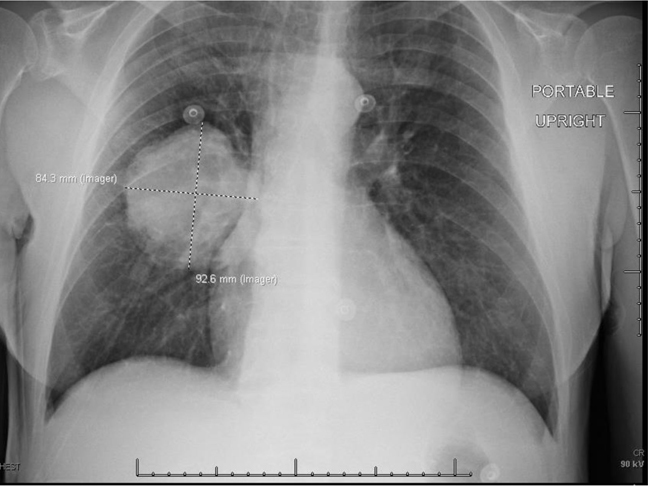 An Uncommon Case of Atrial Fibrillation due to a Lung Mass Invasion of the Left Atrial Cavity |